Unrealistic Working Capital
One of the most common—and most damaging—misconceptions in Main Street transactions is a seller’s belief that all cash in the business belongs to them at closing. First-time sellers frequently say, “I’m going to take all of the cash out of the business.” They see the cash on the balance sheet and assume it is automatically excluded from the sale. That …
View Post
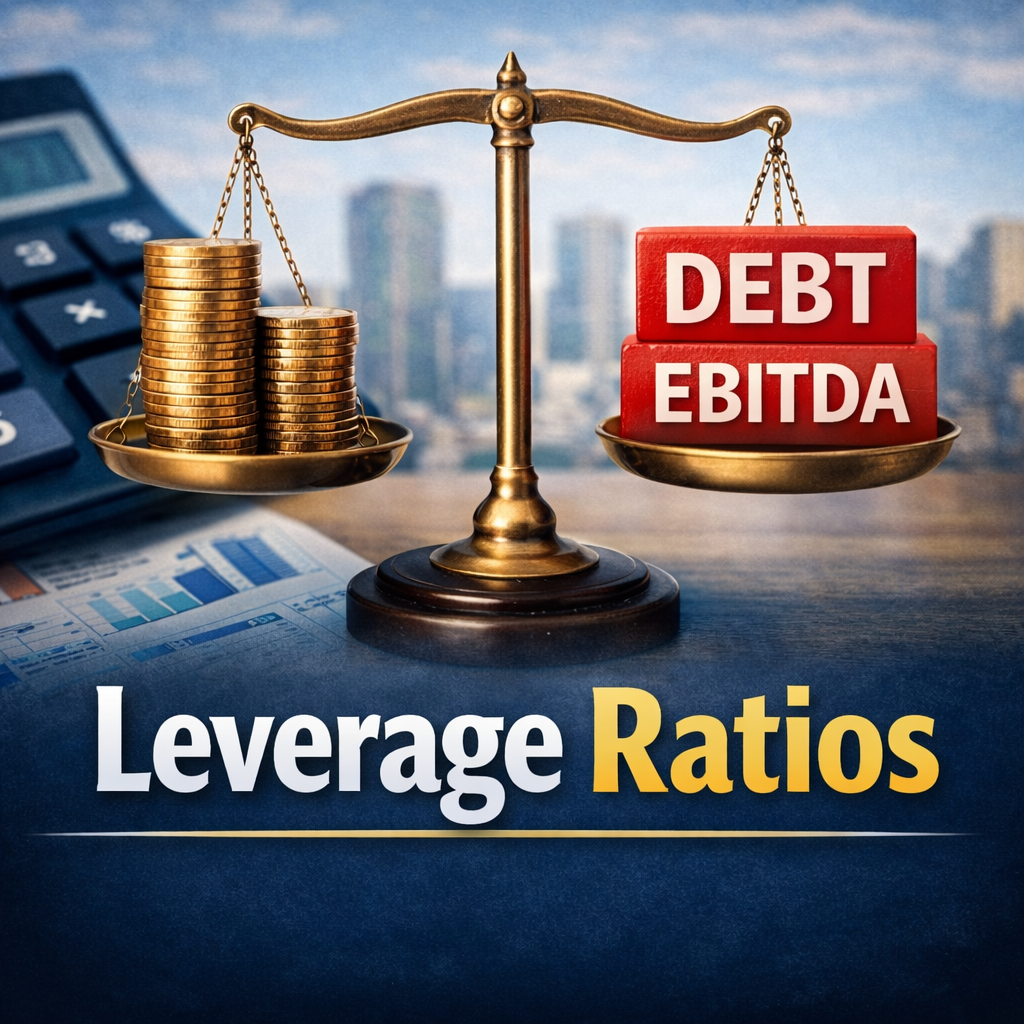
Leverage Ratio Maxes
Buyers and sellers often focus primarily on valuation. Lenders, however, focus first on leverage. Understanding what banks and SBA lenders consider an acceptable leverage profile is critical to assessing whether a transaction is realistically financeable, particularly where projected growth plays a material role in the underwriting case. This article explains the leverage ranges commonly accepted in Main-Street and lower-middle-market acquisitions …
View Post

SBA 7(a) Loan Primer
The SBA 7(a) loan is a loan you can get to financing buying a business. It’s backed by a government guarantee, which means the bank gets paid even if you can’t make your payments. That might not sound exciting at first—but in finance, the best thing you can get is a government guarantee. It lowers borrowing costs, reduces risk, and opens doors …
View Post
Inside the Mind of a Seller’s Broker
When you start shopping for a business, you’ll quickly learn that you’re not just dealing with sellers. You’re dealing with seller brokers — the people who control access to those sellers, filter the buyers, and decide who even gets a look at a deal. Understanding how they think is one of the most important skills in business buying. Most first-time buyers assume …
View Post
How SBA 7(a) Loans Are Processed During a Government Shutdown
When the federal government shuts down, many business buyers panic—they worry their SBA 7(a) loan will come to a halt and their deal will die. Fortunately, that’s not how the process actually works. The SBA 7(a) loan process begins and is primarily driven by the bank, not the federal government. Once a borrower applies, the bank handles the underwriting process, which typically takes about …
View Post
Expert Guidance on Your Letter of Intent
Every buyer wants to close a great deal. But the truth is—you win or lose the deal at the LOI stage. The Letter of Intent sets the tone, the leverage, and the economics for everything that follows. Get it wrong, and you’ll spend the rest of the transaction cleaning up avoidable messes. The LOI Is the First Test of Your Professionalism …
View Post

Who’s On My Buy-side Deal Team?
Buying a business isn’t a solo act — it’s a team sport. The people around you determine not only how smooth your deal goes, but whether you get what you actually think you’re buying. Let’s break down who’s who on both sides of the table. The Buyer’s Accountant — The QoE Analyst Your accountant is your numbers person. Their job isn’t …
View Post

Reps and Warranties 101 Course
What Are Representations and Warranties? When you buy a business, the seller tells you certain things about what you’re buying — things like what assets the company owns, whether it’s in compliance with laws, if the financial statements are accurate, and whether there are hidden liabilities. Those statements are called representations and warranties. A representation is a statement of fact as of the …
View Post
Asset Purchase v. Stock Purchase?
Everyone hears they’re supposed to do a straight asset purchase when they buy a business.There are reasons that advice exists — but it’s only half-true. Buyers are told: “Do an asset deal so you get limited liability.” That’s the headline. But the actual rule in most states is more complicated. There’s a quiet doctrine called successor liability that can make that assumption completely wrong. …
View Post
The Most-Over-Looked Tax Tool
When people talk about tax-efficient deal structures, they mention §338(h)(10) elections. A few talk about §336(e). Almost nobody talks about the F-Reorganization. That’s a mistake — because for first-time buyers, the F-reorg is quietly one of the most powerful and underused tools in small-business acquisitions. It preserves S-corp status, delivers a step-up in basis, and eliminates the need for a §338 or §336 election altogether. It’s the cleanest way …
View Post

Beware of Step-Transactions
When you buy a small or mid-sized business, you’ll quickly learn there are two fundamental ways a sale can be structured for tax purposes: an asset sale or a stock (equity) sale.The difference sounds technical, but it determines who pays what tax, who inherits which liabilities, and how much depreciation the buyer can claim later. Because of that, some sellers—and occasionally their advisors—try …
View Post

100% First-Year Depreciation
Buying your first business is one of the biggest financial moves you’ll ever make. The good news? A recent change in federal tax law gives business buyers a major advantage: the ability to write off the full cost of most equipment, furniture, and fixtures in the very first year after purchase. In plain English: If you buy a business in 2025 …
View Post